
Call Now:
(219) 365-2400
Taking care of your landscaping in winter can be tricky, especially when it comes to your plants. Do you water your plants, or let nature take its course? Too little water and they risk drying out; too much, and you could damage roots or freeze them. The line between proper care and harm feels narrower than ever in the colder months.
At Redbud Landscape, we’ve spent over 18 years designing landscapes in Northwest Indiana that endure every season. We understand the uncertainty that winter brings and know how to help your plants thrive, even in the coldest months.
Whether you need to water your plants in winter really depends on:
- Whether the plant is dormant or actively growing
- The weather
- Whether your plants are in the ground or in containers
Let’s break down how to assess your plants’ needs this winter so you can care for them with confidence.
How Can You Tell if a Plant is Dormant in Winter?
The first step in winter plant care is determining whether a plant is dormant. Dormant plants slow or stop growth, lose their leaves, and rarely produce flowers. You can check by looking for brittle stems, firm buds that aren’t swelling, or roots that appear inactive. Knowing a plant’s dormancy status helps you decide which plants need attention and which can be left alone.
What Plants Typically Don’t Need Water in Winter?
Once a plant is dormant, it usually needs very little water. Most deciduous trees and shrubs that have dropped their leaves, along with perennials and bulbs that stay underground, survive on the moisture already in the soil and their own stored water. These plants can go through winter without extra watering, so your focus can shift to the plants that remain active.
What Plants Typically Need Water in Winter?
Some plants continue to lose moisture even in winter. Evergreens, like pines, hollies, and boxwoods, keep their leaves or needles and can dry out on sunny or windy days. Newly planted shrubs and trees with shallow roots also need extra care. Paying attention to these active plants helps prevent stress and damage during cold months.
How Does the Weather Affect Winter Watering?
Weather plays a big role in winter watering. Frozen soil can damage roots if watered, and wet conditions from snow or rain can lead to root rot. The best time to water is on mild, dry days when the soil is workable. Checking soil moisture and observing local conditions helps you give plants water only when they actually need it.
How Does Planting Style Affect Winter Watering?
How a plant is planted affects its winter water needs.
- In-Ground Plants: Soil holds moisture longer, especially if shaded or mulched, and deep roots can reach water even in cold soil.
- Container Plants: Small root systems and limited soil dry out quickly, making them more vulnerable to cold and wind. Plants in pots or planters need more frequent checks and watering compared with in-ground plants.
Considering planting style, dormancy, and weather helps you adjust watering to each plant’s situation.
Set Your Landscape Up for Success
Winter watering is not a one-size-fits-all task. Your plant’s needs depend on whether it’s dormant, the local weather conditions, and how it’s planted. Instead of sticking to a rigid schedule, check the soil moisture and observe your plants. This approach will help them survive the cold and thrive in the spring.
If you want to create a strong landscape that will hold up no matter the weather, reach out to Redbud Landscape. Our team can help you design a beautiful and resilient outdoor space.
“It Always Seems Impossible Until It Is Done.”

Need help with a residential or commercial landscape project?
Similar Posts You Might Like
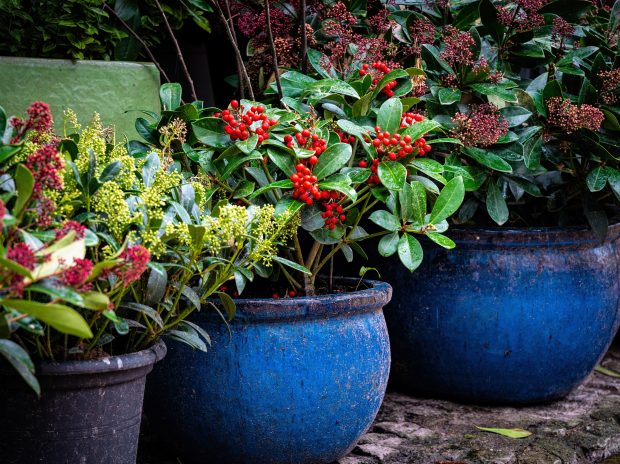
Do Outdoor Plants Still Need Watering in Winter?
Taking care of your landscaping in winter can be tricky, especially when it comes to your plants. Do you water…

Can Pavers Be Used Around Trees?
Your trees are among the most beautiful features of your yard, yet they can sometimes feel disconnected from the rest…

How Long Will My Hardscape Last Before It Cracks or Shifts?
You've seen it before: a beautiful paver patio that's now uneven, or a concrete walkway with a spiderweb of cracks.…
Contact Redbud Landscape Services
Contact us today for more details about the services we offer.

The information on this website is for informational purposes only; it is deemed accurate but not guaranteed. It does not constitute professional advice. Testimonials are not a guarantee, warranty or prediction of what your experience with us will be. By providing contact information, users acknowledge and give explicit consent to be contacted via the methods of communication provided, including SMS. Message and data rates may apply. Message frequency may vary. Reply STOP to opt out.
NUVEW | Copyright 2026 All Rights Reserved | Accessibility Notice | Privacy Policy