
Call Now:
(219) 365-2400
A struggling lawn puts you in a tricky spot. Do you patch the bare spots and hope the grass fills back in, or do you tear it all out and start fresh with new sod? The answer depends on how much of your yard is damaged and what’s happening beneath the surface.
At Redbud Landscape, we’ve spent more than 18 years helping Northwest Indiana property owners make this exact call. Let’s talk about the signs that point toward a simple repair, the warning signals that suggest resodding is the smarter investment, and the site problems worth fixing before any new sod goes down.
What Signs Suggest a Damaged Lawn Can Still Be Repaired?
Not every patchy lawn needs a full replacement. Many yards respond well to targeted care, especially when the damage is recent, limited, or tied to a fixable cause. You can likely repair your lawn if:
- The healthy grass outweighs the damage. When 60% or more of your lawn is still green and growing well, you have a strong foundation to build on.
- Bare spots are small and scattered. Isolated patches from foot traffic, pet spots, or a dry summer usually fill in with overseeding and consistent watering.
- The roots are still alive. Tug on the grass in a thin area. If it holds firm, the roots are healthy, and recovery is possible.
- The damage has an obvious, one-time cause. A spilled bag of fertilizer or temporary drought is easier to bounce back from than a recurring problem.
When these signs describe your yard, overseeding, aeration, and proper watering often bring the grass back without the cost of new sod.
What Level of Damage Makes Resodding the Better Choice?
At a certain point, patching stops making sense. Pouring time and money into a lawn that keeps failing costs more in the long run than a clean start. Resodding becomes the smarter option when:
- More than half the lawn is dead or damaged. Once 50% or more of your grass is gone, thin, or unhealthy, spot repairs rarely catch up. New sod delivers a uniform, healthy result much faster.
- Weeds have taken over. When weeds overtake the grass across large areas, repair often means fighting a losing battle. Removing everything and starting fresh gives you a clean slate.
- The grass is thin across the whole yard. Widespread thinning usually points to a deeper issue, like poor soil or too much shade. Overseeding alone won’t fix problems such as these.
- The lawn looks unhealthy, no matter what you do. If you’ve fertilized, watered, and reseeded with little improvement, the existing turf may be beyond saving.
New sod also gives you an instant transformation. Instead of waiting weeks for seed to fill in, you get a green, established lawn almost immediately, which is a major boost to your property’s curb appeal and value.
How Do Recurring Problems and Poor Site Conditions Affect the Decision to Resod?
Sometimes the grass itself isn’t the real problem. When issues return season after season, the cause usually lies in the conditions beneath and around your lawn.
Recurring trouble spots, standing water, and grass that dies in the same places every year all point to underlying site problems. Repairing the surface without addressing the root cause simply resets the clock until the damage returns. Common culprits include:
- Poor drainage that leaves water pooling and roots drowning.
- Compacted or low-quality soil that starves grass of nutrients and air.
- Heavy shade from trees or structures that keep sun-loving turf from thriving.
- Uneven grading or slopes that wash away seed and soil.
When any of these conditions are at play, resodding plus proper site correction almost always beats another round of repairs. Fixing the foundation once saves you from fighting the same battle every year.
What Problems Should You Correct Before Installing New Sod?
Laying sod over unresolved problems wastes your investment. New grass needs the right conditions to take root and last. Before installation, it’s worth correcting:
- Drainage issues. Address pooling water and runoff so new roots don’t sit in saturated soil.
- Grading and slopes. Level uneven ground and correct the grade to keep water moving away from your home and evenly across the yard.
- Soil quality. Replace poor soil so the new sod has the nutrients it needs to establish quickly.
- Old materials and debris. Clear out dead grass, weeds, rocks, and roots to give the sod solid contact with fresh soil.
Getting these details right the first time is what separates a lawn that thrives from one that struggles repeatedly. This groundwork is exactly where professional help pays off.
Make the Right Call for Your Lawn
Choosing between repair and resodding comes down to three questions: How much of your lawn is damaged? Do the problems keep returning? What’s happening in the soil below? A limited, one-time problem usually calls for spot repairs. Widespread damage, stubborn weeds, or recurring site issues point toward a fresh start with new sod.
If you’re not sure which path is right for your yard, our team can help. Redbud Landscape has served Northwest Indiana for over 18 years, offering sod installation, resodding, and the drainage and grading work that makes new turf last. Schedule your consultation with us today.
“It Always Seems Impossible Until It Is Done.”

Need help with a residential or commercial landscape project?
Similar Posts You Might Like

What Should I Expect During a Commercial Landscape Construction Project?
Investing in commercial landscape construction is one of the biggest decisions you can make for your property, and not knowing…

When Is Resodding Better Than Repairing a Damaged Lawn?
A struggling lawn puts you in a tricky spot. Do you patch the bare spots and hope the grass fills…
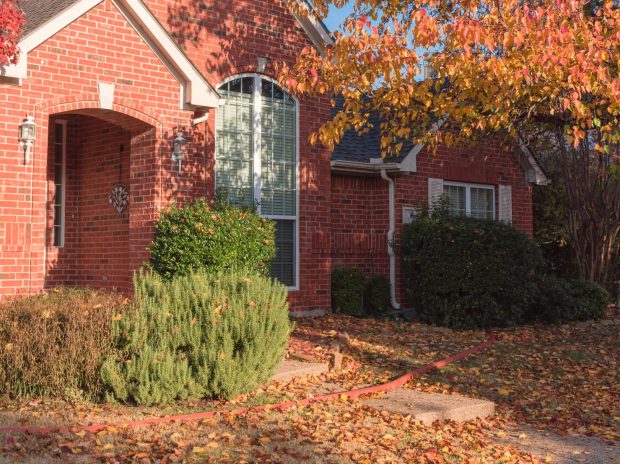
Why Should You Schedule Fall Cleanup Before the First Frost?
You've watched the leaves pile up for a couple of weeks now. You tell yourself there's still time, that cleanup…
Contact Redbud Landscape Services
Contact us today for more details about the services we offer.

The information on this website is for informational purposes only; it is deemed accurate but not guaranteed. It does not constitute professional advice. Testimonials are not a guarantee, warranty or prediction of what your experience with us will be. By providing contact information, users acknowledge and give explicit consent to be contacted via the methods of communication provided, including SMS. Message and data rates may apply. Message frequency may vary. Reply STOP to opt out.
NUVEW | Copyright 2026 All Rights Reserved | Accessibility Notice | Privacy Policy